Overtourism in 2026: Why Popular Destinations Are Reaching Their Limits
When Paradise Starts to Feel Overcrowded
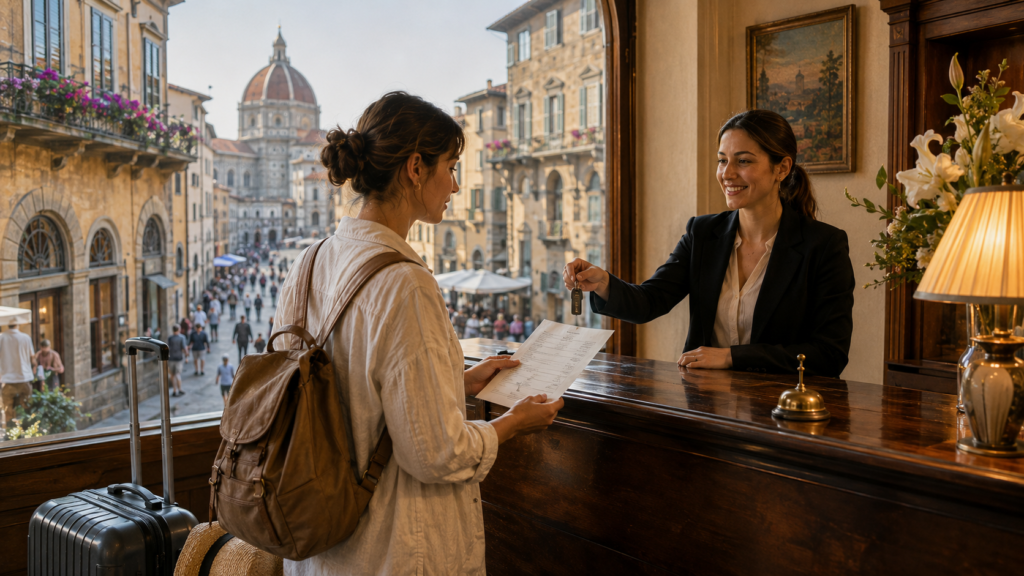
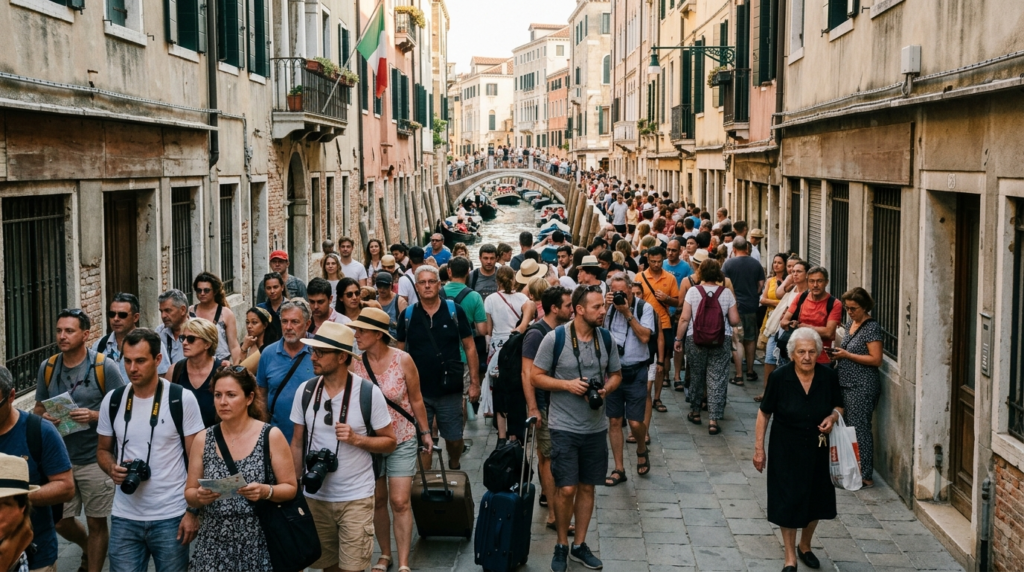
The queue to enter the historic center snakes around the square before breakfast. Cruise passengers spill into narrow streets, cafés struggle to find empty seats, and local residents weave through crowds simply trying to get to work. What was once a peaceful coastal town now feels like a city hosting a festival every single day. For many of the world’s most celebrated destinations, this has become the new reality of travel in 2026.
International tourism has continued its strong recovery, with global travel maintaining positive momentum despite geopolitical uncertainties. According to the latest UN Tourism Barometer, hundreds of millions of international trips were recorded during the first quarter of 2026 alone, highlighting the remarkable resilience of global tourism demand. But alongside this recovery, another trend has become impossible to ignore: overtourism.
Beyond Busy: Understanding Overtourism
A destination filled with visitors is not necessarily experiencing overtourism. Popular tourism has long been an important driver of economic growth, employment, and cultural exchange. The problem begins when visitor numbers exceed a destination’s environmental, social, and infrastructural capacity, diminishing the quality of life for residents while also reducing the experience for tourists themselves.
Researchers increasingly describe overtourism as a multidimensional challenge rather than a simple matter of crowd size. Beaches become overcrowded, public transport reaches capacity, housing costs rise, historic sites deteriorate faster, and essential public services struggle to cope with seasonal demand. In many places, the question is no longer how many tourists arrive, but whether destinations can absorb them sustainably.
Why the Pressure Keeps Growing
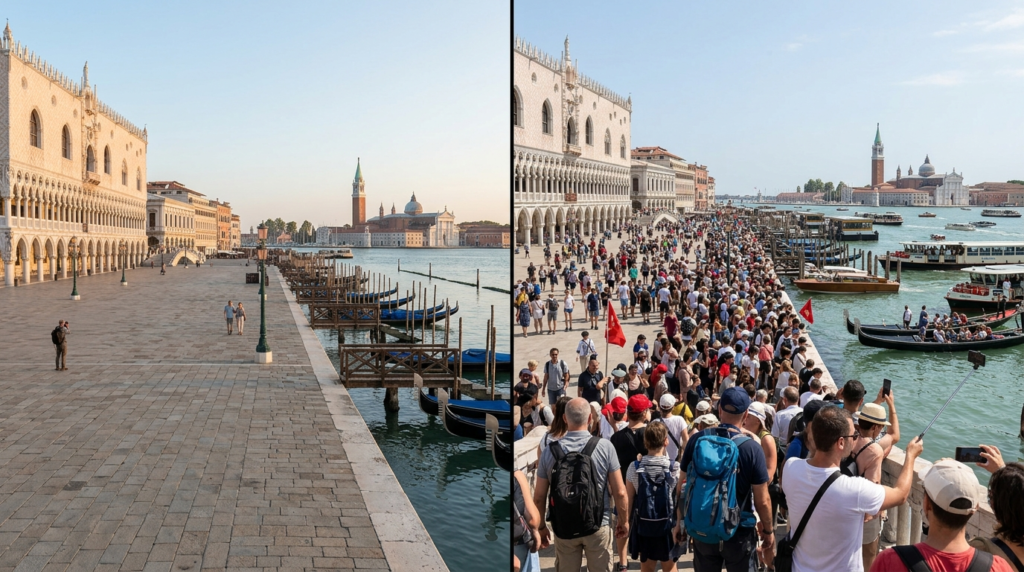
The resurgence of tourism is being fuelled by more than post-pandemic travel enthusiasm. Affordable air travel has made international holidays accessible to larger populations, while digital booking platforms allow travellers to organise entire trips within minutes. Short-term rental platforms have expanded accommodation capacity, and social media continues to propel once-hidden locations into global attractions almost overnight.
Rather than dispersing visitors across regions, these developments often funnel millions of travellers toward the same iconic landmarks. Cruise tourism further intensifies this concentration, delivering thousands of visitors simultaneously into destinations whose historic centres and public spaces were never designed to accommodate such volumes. Together, these forces have created an unprecedented concentration of tourism in relatively small geographic areas.
Europe’s Most Popular Destinations Under Pressure
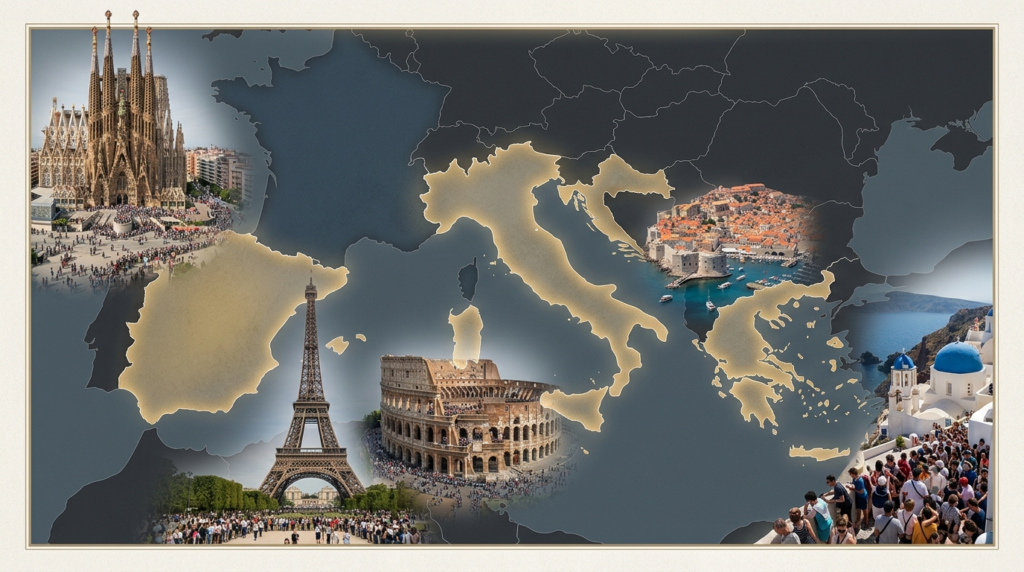
Few regions illustrate this challenge more clearly than Southern Europe. Italy, Spain, Greece, Croatia, and France remain among the world’s most sought-after destinations, attracting millions of visitors each year because of their cultural heritage, coastlines, and historic cities. At the same time, many of these destinations face mounting pressure on local infrastructure and communities.
Recent international comparisons also reveal that several smaller countries receive far more international tourists relative to their resident populations than larger destinations. Andorra stands as the world’s most extreme example, welcoming many times more visitors than residents each year, while countries such as Malta, Iceland, Croatia, and Cyprus also experience exceptionally high tourism intensity.
Recognising these differences, researchers have recently proposed new methods for measuring over-tourism beyond simple arrival numbers. One such approach introduces an overtourism index that combines multiple indicators to better capture the complex pressures experienced by smaller and environmentally sensitive destinations.
Governments Search for a Better Balance
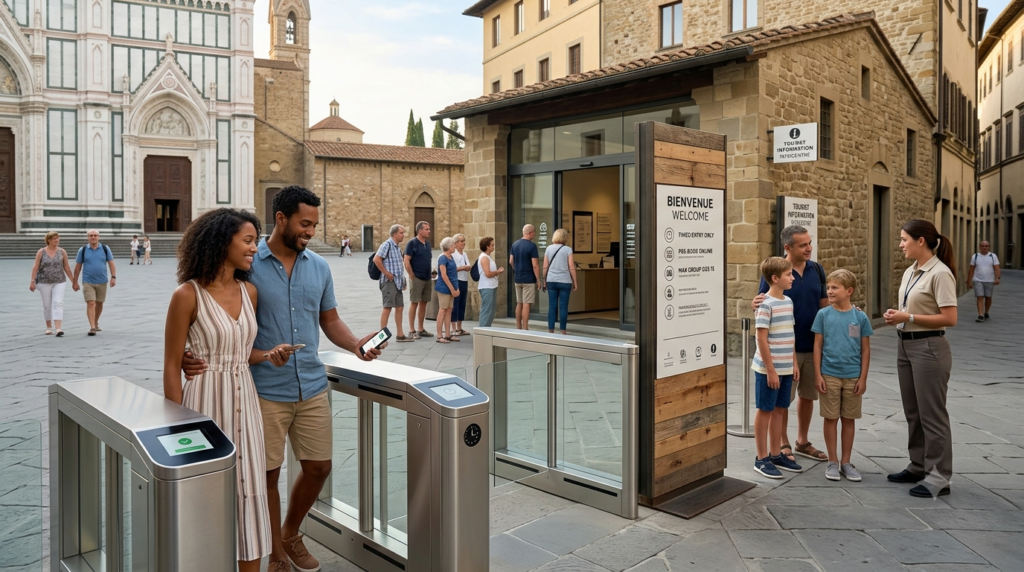
As tourism continues to grow, governments are increasingly shifting their focus from attracting more visitors to managing them more effectively. Tourist taxes, reservation systems, visitor caps, cruise ship regulations, and broader sustainable tourism strategies are becoming more common across popular destinations. These measures are not intended to discourage travel but to preserve the very places that make travel worthwhile.
The challenge facing policymakers is delicate. Tourism generates employment, supports local businesses, and contributes significantly to national economies. Yet without careful management, those same economic benefits can come at the expense of affordable housing, environmental quality, public infrastructure, and residents’ wellbeing.
The future of tourism will not be defined by how many people travel, but by how responsibly destinations—and travellers themselves—choose to manage the privilege of exploring the world’s most extraordinary places.
References
Burlando, C., Musso, E., Pavanini, T., & Traversa, S. (2025). A proposal for an overtourism index. Annals of Tourism Research, 115, 104042. https://doi.org/10.1016/j.annals.2025.104042
UN Tourism. (2026). World Tourism Barometer. UN Tourism.
Cohen, G. (2026, July 19). Ranked: Countries with more tourists than locals. Visual Capitalist.
Web References (APA 7th)
UN Tourism. (2026). World Tourism Barometer. https://www.unwto.org/un-tourism-world-tourism-barometer-data
UN Tourism. (2026). UN Tourism. https://www.unwto.org
World Bank. (2026). World Development Indicators. https://data.worldbank.org