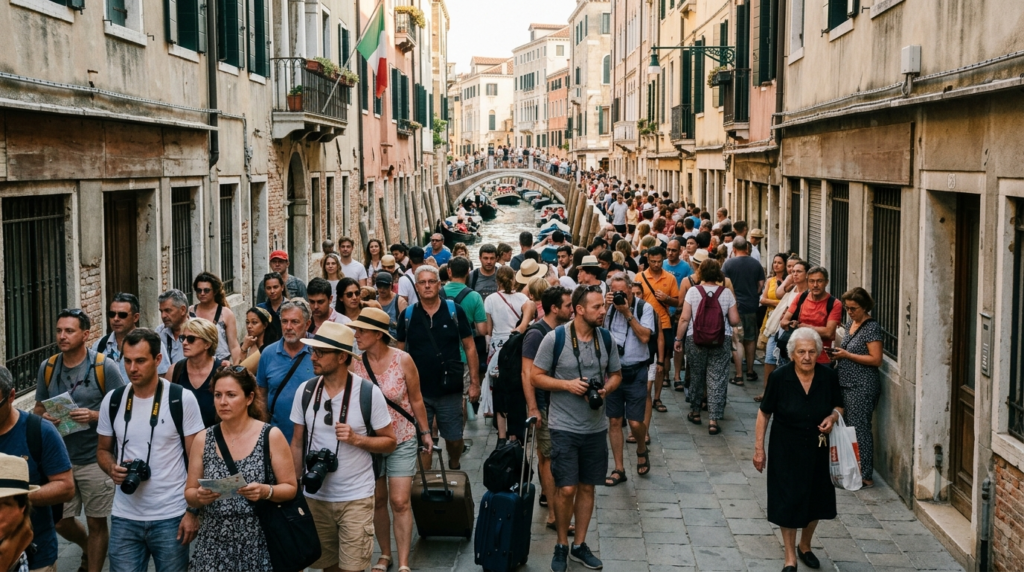
Why Sustainable Tourism Is No Longer Optional
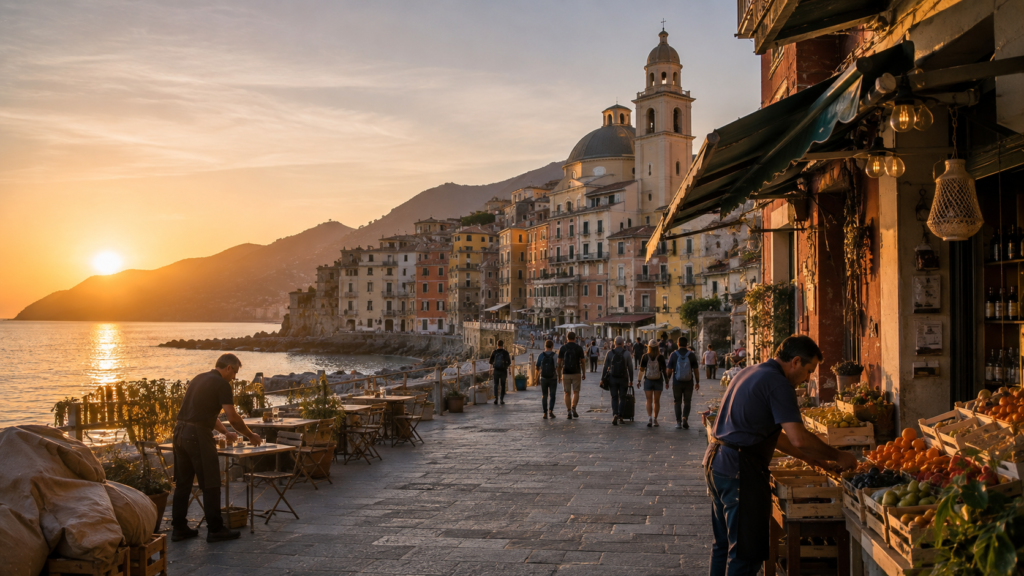
A Morning Before the Crowds Arrive
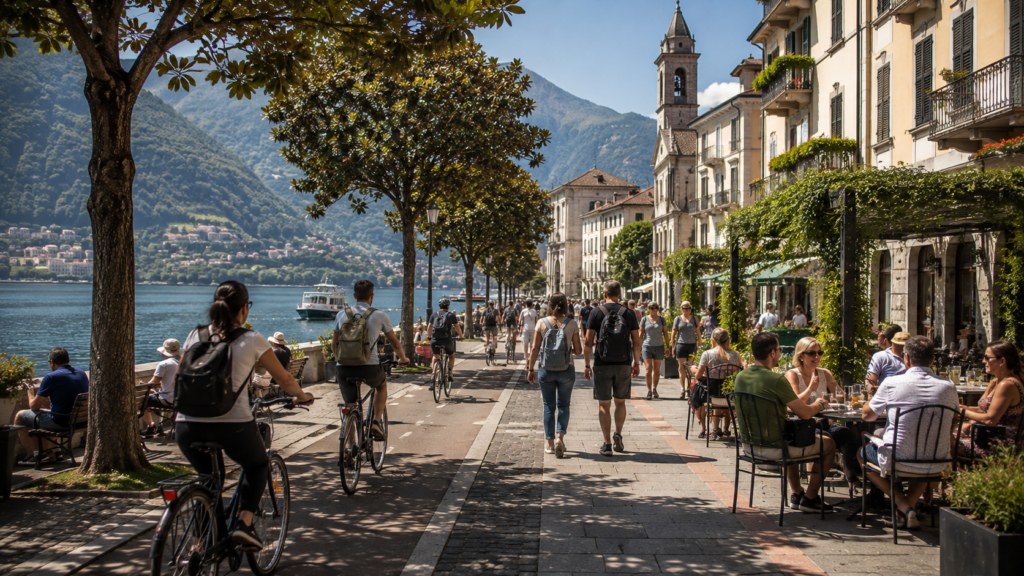
At first light, the fishing boats return to a quiet Mediterranean harbour while café owners arrange chairs beneath centuries-old buildings. For a brief moment, the streets belong to the people who call this place home. Then the first buses arrive, cruise passengers pour into the town square, and narrow lanes fill with visitors eager to experience its history and charm. By midday, the village is transformed. Tourism has brought prosperity, but it has also changed the rhythm of everyday life.
Scenes like this are becoming increasingly familiar around the world. International tourism has recovered strongly in recent years, reaffirming its role as one of the world’s most important economic sectors. According to the latest UN Tourism Barometer, global travel continued to grow in early 2026 despite geopolitical uncertainty, demonstrating the resilience of international tourism. Yet this remarkable growth has brought destinations to a critical turning point. Sustainable tourism is no longer an aspiration for the future; it has become a necessity for the present.
Growth Brings Opportunity and Responsibility
Tourism has long been celebrated as a catalyst for economic development. It creates jobs, supports local businesses, stimulates infrastructure investment, and helps preserve cultural traditions by connecting communities with visitors from around the world. For many regions, particularly those rich in natural beauty or cultural heritage, tourism remains a cornerstone of local prosperity.
But growth alone no longer guarantees success. Research increasingly shows that destinations can become victims of their own popularity when visitor numbers exceed their environmental, social, and infrastructural capacity. Rather than improving both resident well-being and visitor experiences, excessive tourism can place immense pressure on places that were never designed to accommodate millions of people each year.
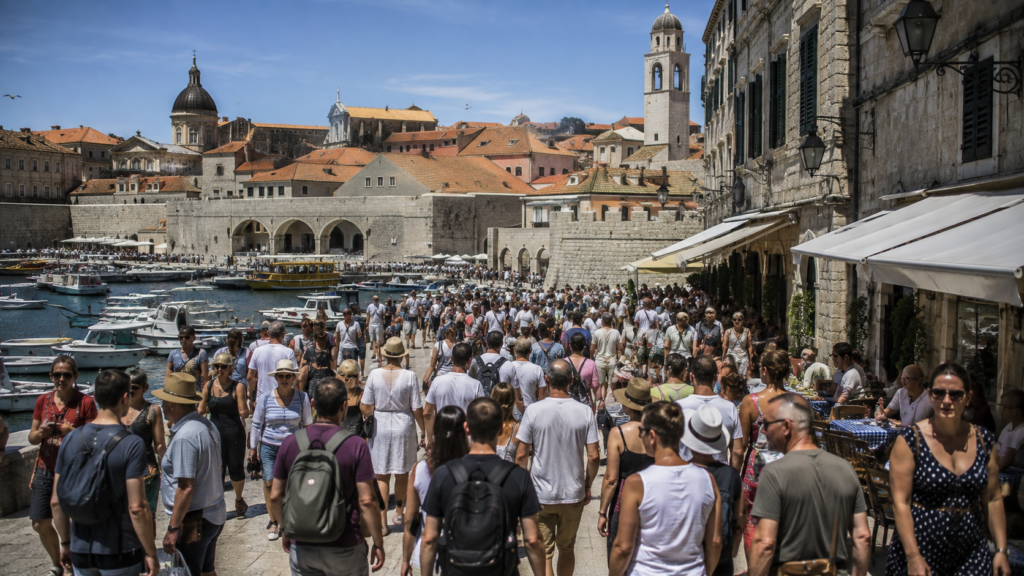
Protecting Nature Means Protecting Culture
The consequences of unsustainable tourism extend well beyond crowded attractions. Fragile ecosystems experience greater resource consumption, increased waste, and growing environmental stress, while protected areas struggle to balance conservation with recreation. Research on mountain national parks demonstrates how detailed monitoring of visitor flows has become essential for identifying peak periods and implementing strategies that reduce pressure on vulnerable landscapes.
Environmental sustainability is closely intertwined with cultural preservation. A recent bibliometric review highlights growing concern that over tourism threatens cultural heritage, weakens local identity, and challenges the resilience of communities whose traditions have shaped destinations for generations. As tourism transforms neighbourhoods and historic centres, protecting cultural resilience becomes as important as safeguarding natural resources.
Sustainable Tourism Begins with People
Behind every successful destination are the people who live there year-round. Their quality of life increasingly defines whether tourism can remain sustainable over the long term.
Housing pressures, concentrated visitor flows, rising living costs, and changing neighbourhoods have become familiar concerns in many popular destinations. At the same time, research using online visitor reviews shows that tourists themselves recognise problems such as overcrowding, environmental degradation, and declining visitor experiences. By analysing thousands of digital comments, researchers demonstrate how user-generated content can help destinations identify issues that affect both visitors and residents before they escalate.
Sustainable tourism therefore depends not only on protecting places but also on ensuring that local communities continue to thrive within them.
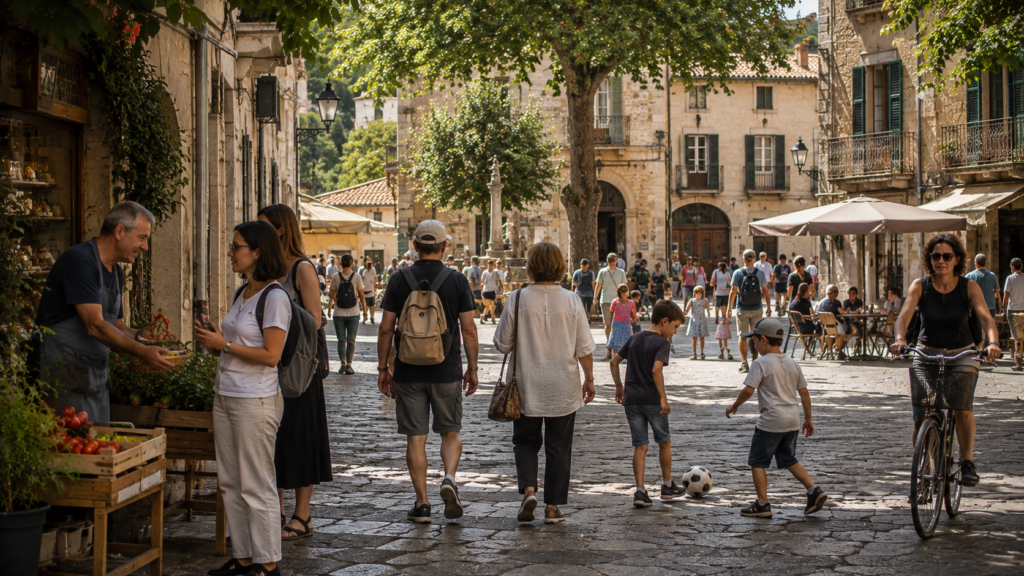
Building Smarter Destinations for the Future
No single policy can solve the complex challenges facing tourism today. Instead, successful destinations are increasingly combining visitor management systems, artificial intelligence, tourist taxes, responsible regulation of short-term rentals, community participation, and evidence-based policymaking to balance economic opportunity with long-term sustainability. Research consistently points toward integrated approaches that rely on data, monitoring, and adaptive management rather than isolated interventions.
The future of travel will not be measured solely by how many people visit a destination, but by whether those places remain vibrant, resilient, and welcoming long after visitors have returned home. Sustainability is no longer an optional ambition, it is the foundation upon which tomorrow’s tourism will be built. After all, the greatest journeys are those that leave destinations richer, not poorer, after every visit.
References
Burlando, C., Musso, E., Pavanini, T., & Traversa, S. (2025). A proposal for an overtourism index. Annals of Tourism Research, 115, 104042. https://doi.org/10.1016/j.annals.2025.104042
Foronda-Robles, C., Galindo-Pérez-de-Azpillaga, L., & Armario-Pérez, P. (2025). The sustainable management of overtourism via user content. Annals of Tourism Research Empirical Insights, 6, 100184. https://doi.org/10.1016/j.annale.2025.100184
Mandira, I. M. C., Baiquni, M., & Armawi, A. (2026). Overtourism and culture resilience: Bibliometrics analysis (1974–2024). Social Sciences & Humanities Open, 13, 102962. https://doi.org/10.1016/j.ssaho.2026.102962
Rogowski, M., Zawińska, B., & Hibner, J. (2025). Managing tourism pressure: Exploring tourist traffic patterns and seasonality in mountain national parks to alleviate overtourism effects. Journal of Environmental Management, 373, 123430. https://doi.org/10.1016/j.jenvman.2024.123430
UN Tourism. (2026). World Tourism Barometer. UN Tourism.
Official Sources
UN Tourism. (2026). World Tourism Barometer. https://www.unwto.org/un-tourism-world-tourism-barometer-data
UN Tourism. (n.d.). UN Tourism. https://www.unwto.org