The Hidden Cost of Airbnb: Tourism Growth vs. Sustainable Cities
When Home Becomes a Holiday Rental
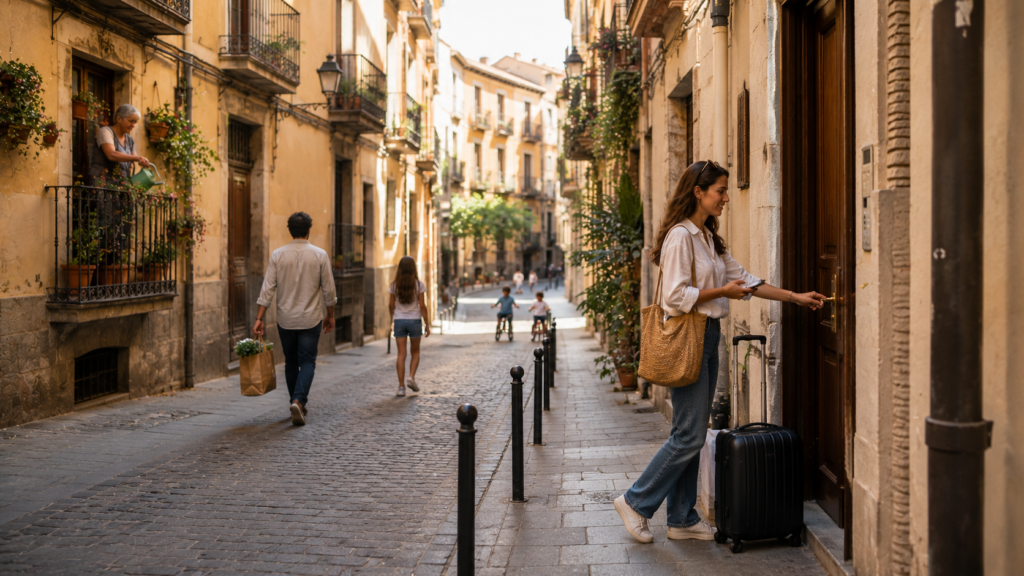
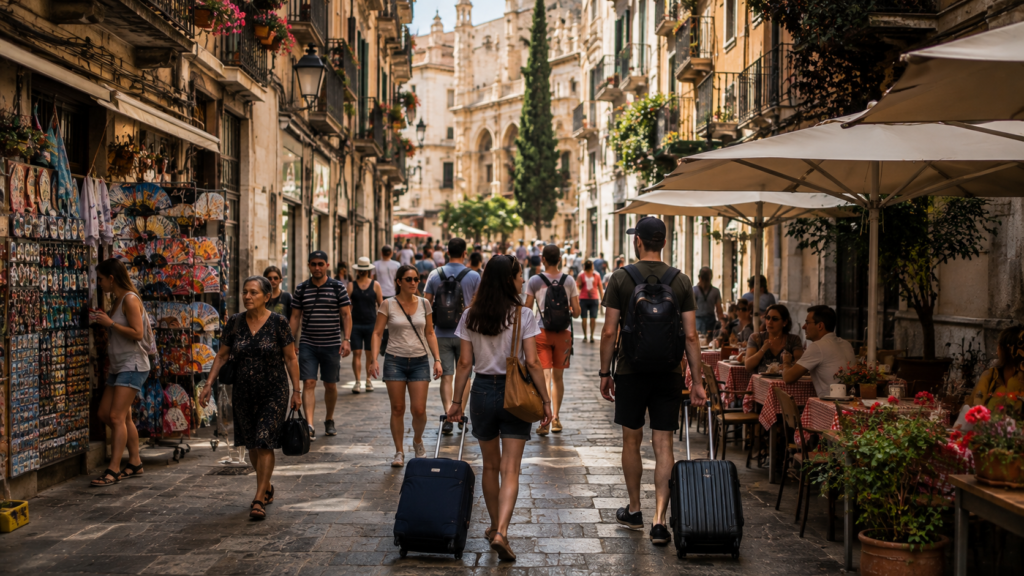
On a quiet street in Barcelona, the bakery still opens before sunrise, neighbours still greet one another by name, and balconies overlook centuries-old buildings. But behind many of those doors, the rhythm of everyday life has changed. Suitcases roll across cobblestones each morning, key lockboxes replace familiar faces, and apartments once occupied by long-term residents now welcome a new set of visitors every few days.
For travellers, platforms like Airbnb have transformed the way people experience cities, offering the promise of living like a local. For many urban communities, however, the rapid expansion of short-term rentals has sparked a broader conversation about housing, neighbourhood identity, and the future of sustainable tourism. As the sharing economy has matured, so too has the debate over who truly benefits from it.
From Sharing Spare Rooms to Running Tourism Businesses
When Airbnb first emerged, its appeal was rooted in a simple idea: allowing homeowners to rent unused space while earning additional income. This collaborative model offered visitors affordable accommodation and encouraged more personal, locally connected travel experiences.
Recent research, however, shows that today’s marketplace is increasingly shaped by two distinct groups. Collaborative hosts typically rent a single home or spare room, while professional hosts manage multiple properties with a stronger commercial focus. The study of Spain’s largest tourist cities: Madrid, Barcelona, Seville, and Valencia found that professional accommodations have become increasingly prominent, reflecting the growing commercialization of the short-term rental market.
This evolution has expanded tourism opportunities but has also blurred the line between home sharing and full-scale tourism businesses.
The Growing Pressure on Urban Neighbourhoods
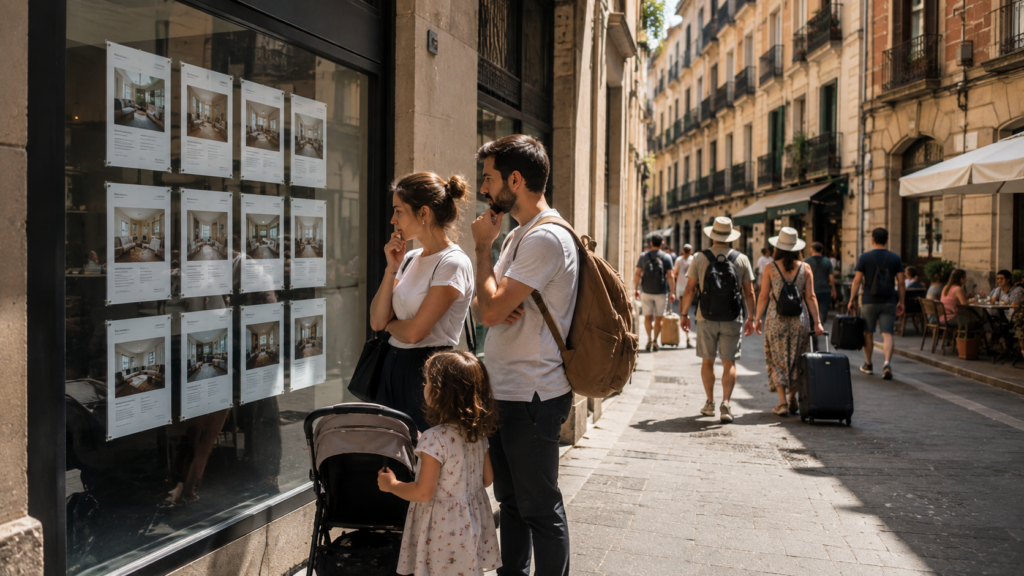
As more residential properties enter the short-term rental market, cities face a difficult balancing act. Homes that might otherwise be available for long-term residents are increasingly dedicated to visitors, contributing to tighter housing markets and rising rents in many popular destinations.
The research highlights that concerns surrounding Airbnb extend beyond accommodation itself. Professional short-term rentals have been associated with housing shortages, higher property prices, and the gradual transformation of residential neighbourhoods. These changes can accelerate gentrification, altering the social fabric of communities as long-term residents find it increasingly difficult to remain in the areas they have called home for years.
Urban tourism, once celebrated for revitalising historic districts, now presents policymakers with a more complex challenge: supporting economic activity without undermining the communities that make cities distinctive in the first place.
Why Tourism Concentrates in the Same Places
Not all short-term rentals affect cities equally. One of the study’s most significant findings is that professional accommodations tend to cluster near major tourist attractions and in densely populated urban areas. These concentrations intensify visitor flows in neighbourhoods already experiencing heavy tourism activity.
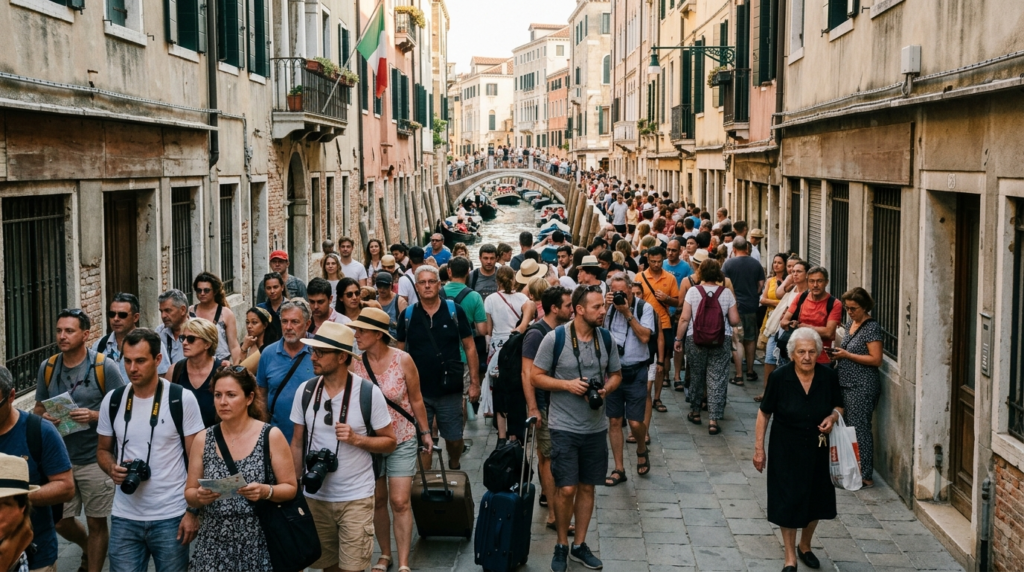
As visitors gather around iconic landmarks, public transport becomes more congested, local infrastructure experiences greater pressure, and everyday services increasingly cater to tourists rather than residents. Meanwhile, neighbourhoods beyond these popular districts often receive fewer economic benefits despite sharing the wider impacts of tourism growth.
By contrast, collaborative accommodations were found more frequently at greater distances from principal attractions, suggesting that they may contribute to a broader distribution of visitors across cities.
Building Cities That Welcome Both Visitors and Residents
Rather than rejecting short-term rentals altogether, many cities are searching for smarter forms of regulation. Registration systems, licensing requirements, transparency in platform data, zoning policies, and limits on certain types of short-term rentals are increasingly viewed as tools for balancing tourism growth with housing availability and residents’ quality of life.
The research also suggests that collaboration between digital platforms, local governments, and tourism stakeholders is essential for encouraging more sustainable practices. Effective regulation is not about limiting travel; it is about ensuring that tourism continues to support vibrant, livable cities.
Innovation has reshaped urban tourism in remarkable ways, but its long-term success will depend on recognising that thriving destinations need more than satisfied visitors. They also need affordable homes, resilient communities, and neighbourhoods where the people who welcome travellers can continue to call the city their own.

References
Herrero Ballesta, S. (2024). Collaborative and professional accommodations on Airbnb: Exploring patterns for sustainable tourism management in Spain. Cities, 154, 105400. https://doi.org/10.1016/j.cities.2024.105400
Official Sources (APA 7th)
Airbnb. (n.d.). Airbnb Newsroom. https://news.airbnb.com
Airbnb. (n.d.). Airbnb. https://www.airbnb.com