Can Tourist Taxes Solve Overtourism? Challenges and Opportunities
A Small Fee, A Bigger Question
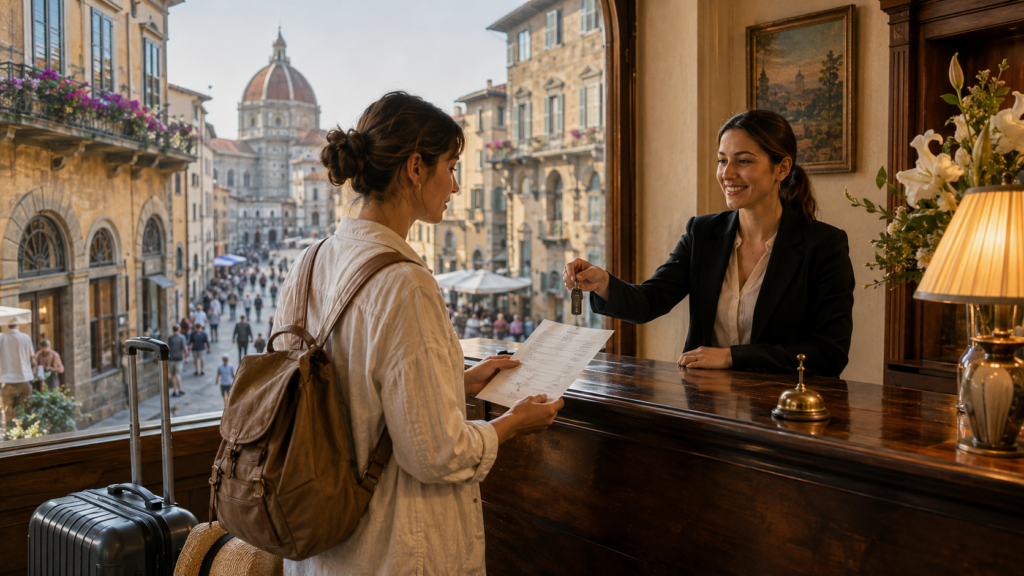
The hotel receptionist smiles as she hands over the room key. Everything appears settled—until one final line appears on the bill: a tourist tax. For many travellers, it is a modest charge that barely interrupts the excitement of a long-awaited holiday. Yet behind that small fee lies one of the most debated questions in modern tourism: can asking visitors to contribute a little more help protect the places they have come to enjoy?
As international tourism continues to rebound, destinations across Europe and beyond are facing renewed pressure from growing visitor numbers. The latest UN Tourism Barometer reports continued growth in global travel despite ongoing geopolitical uncertainty, reinforcing tourism’s importance to national economies while highlighting the challenges of managing increasingly popular destinations. Against this backdrop, tourist taxes have emerged as a policy tool aimed not at discouraging travel, but at making tourism more sustainable.
More Than Just Another Tax
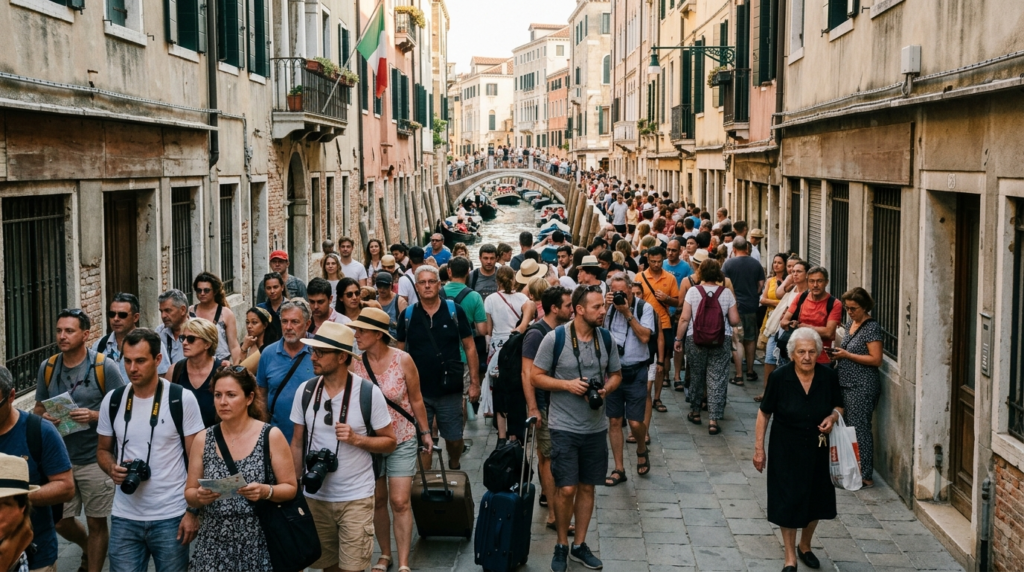
Unlike general taxation, tourist taxes are typically paid only by visitors and are intended to address the additional costs that tourism places on destinations. As cities and heritage sites welcome millions of guests each year, local governments must maintain public spaces, transport systems, waste collection, cultural landmarks, and environmental resources that experience far greater use than their resident populations alone would generate.
The debate is therefore less about raising revenue and more about sharing responsibility. Research on overtourism argues that destinations become vulnerable when visitor numbers exceed their environmental, social, and infrastructural capacity. Measuring these pressures is increasingly recognised as essential for designing effective tourism policies, including fiscal measures such as tourist taxes.
Investing in the Places Visitors Come to See
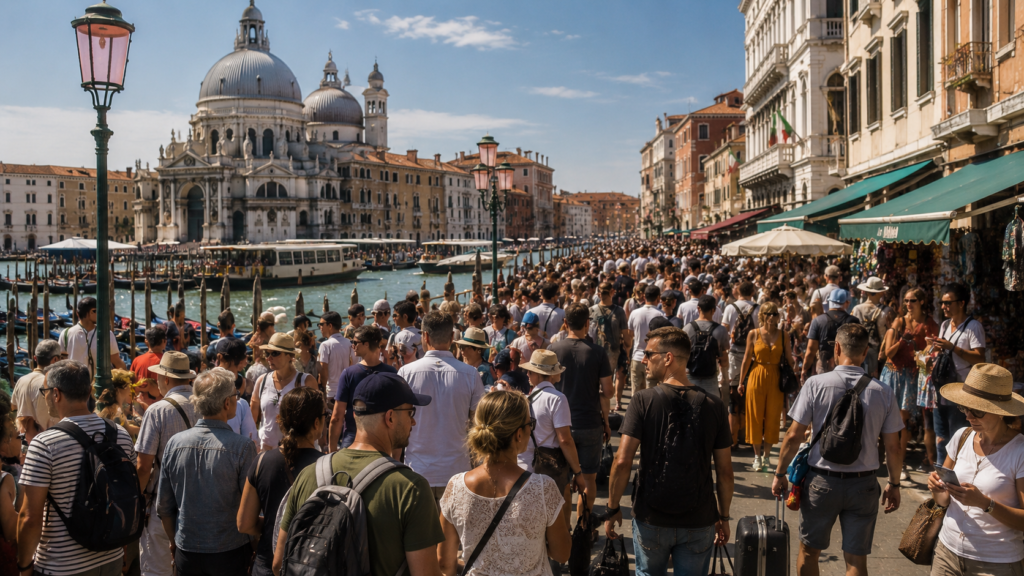
When designed effectively, tourist taxes can support far more than municipal budgets. Revenue can be reinvested in maintaining historic sites, improving public transport, protecting natural landscapes, and strengthening services that benefit both residents and visitors. Rather than responding only after overcrowding becomes visible, governments gain additional resources to manage destinations more proactively.
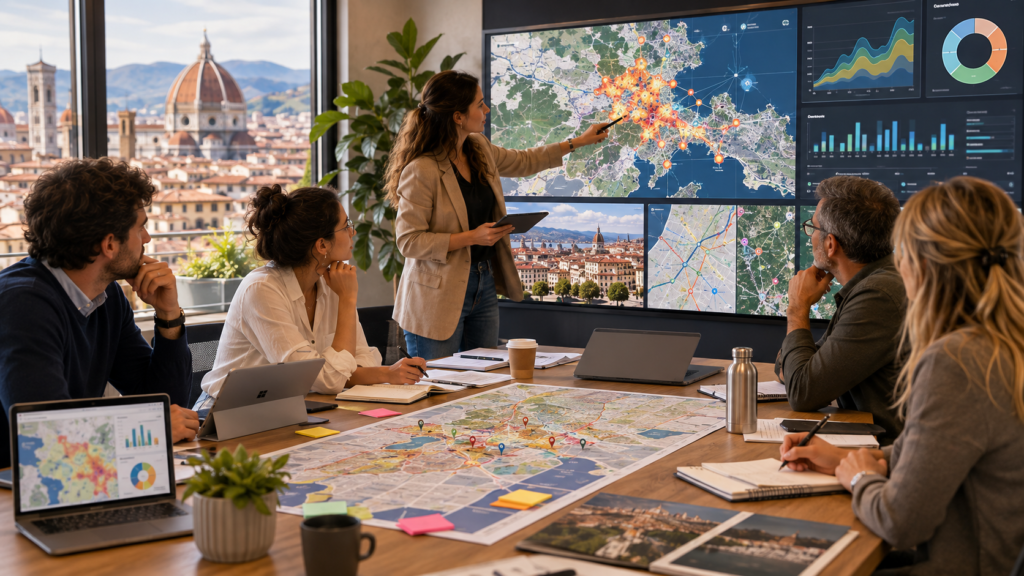
Evidence from research on tourism pressure also suggests that successful destination management depends on understanding where and when visitor concentrations occur. Studies of mountain national parks demonstrate that analysing visitor flows and seasonal patterns allows authorities to identify peak periods and implement targeted management strategies. These findings highlight that financial tools work best when paired with careful monitoring of tourism dynamics.
Ultimately, a well-designed tourist tax aims to preserve the quality of the visitor experience while reducing the strain on local communities and fragile environments.
The Limits of a Financial Solution
Yet tourist taxes remain controversial. Critics argue that additional charges increase travel costs and may influence destination choices, particularly for budget-conscious travellers. Others question whether it is fair for visitors to bear extra costs when tourism already contributes significantly to local economies through accommodation, dining, shopping, and transportation.
Practical challenges also remain. Determining the appropriate tax level, administering collections across different accommodation providers, and evaluating whether the policy genuinely reduces tourism pressure are far from straightforward. More importantly, researchers caution that overtourism is a multidimensional phenomenon driven by factors such as destination popularity, limited infrastructure, and concentrated visitor flows. A tax alone cannot resolve these underlying pressures.
Beyond Taxes: Building Smarter Destinations
Increasingly, policymakers view tourist taxes as one element within a broader sustainable tourism strategy. Reservation systems, visitor management plans, improved public transport, and data-driven monitoring all play complementary roles in balancing tourism growth with residents’ quality of life. Research on visitor flow management demonstrates that understanding seasonal and spatial patterns enables authorities to disperse crowds more effectively and reduce pressure on vulnerable sites.
Equally important is involving local communities in tourism planning, ensuring that economic benefits do not come at the expense of everyday life. Sustainable tourism is not achieved through a single policy but through coordinated decisions informed by reliable evidence.
Tourist taxes may not solve overtourism on their own, but they represent a meaningful step toward recognising that popular destinations require long-term investment and careful stewardship. The future of tourism will depend not simply on welcoming more visitors, but on managing the places they cherish with equal care for the generations that call them home.
References
Burlando, C., Musso, E., Pavanini, T., & Traversa, S. (2025). A proposal for an overtourism index. Annals of Tourism Research, 115, 104042. https://doi.org/10.1016/j.annals.2025.104042
Rogowski, M., Zawińska, B., & Hibner, J. (2025). Managing tourism pressure: Exploring tourist traffic patterns and seasonality in mountain national parks to alleviate overtourism effects. Journal of Environmental Management, 373, 123430. https://doi.org/10.1016/j.jenvman.2024.123430
UN Tourism. (2026). World Tourism Barometer. UN Tourism.
Official Sources (APA 7th)
UN Tourism. (2026). World Tourism Barometer. https://www.unwto.org/un-tourism-world-tourism-barometer-data
UN Tourism. (n.d.). UN Tourism. https://www.unwto.org